 (Image source: Gemini)
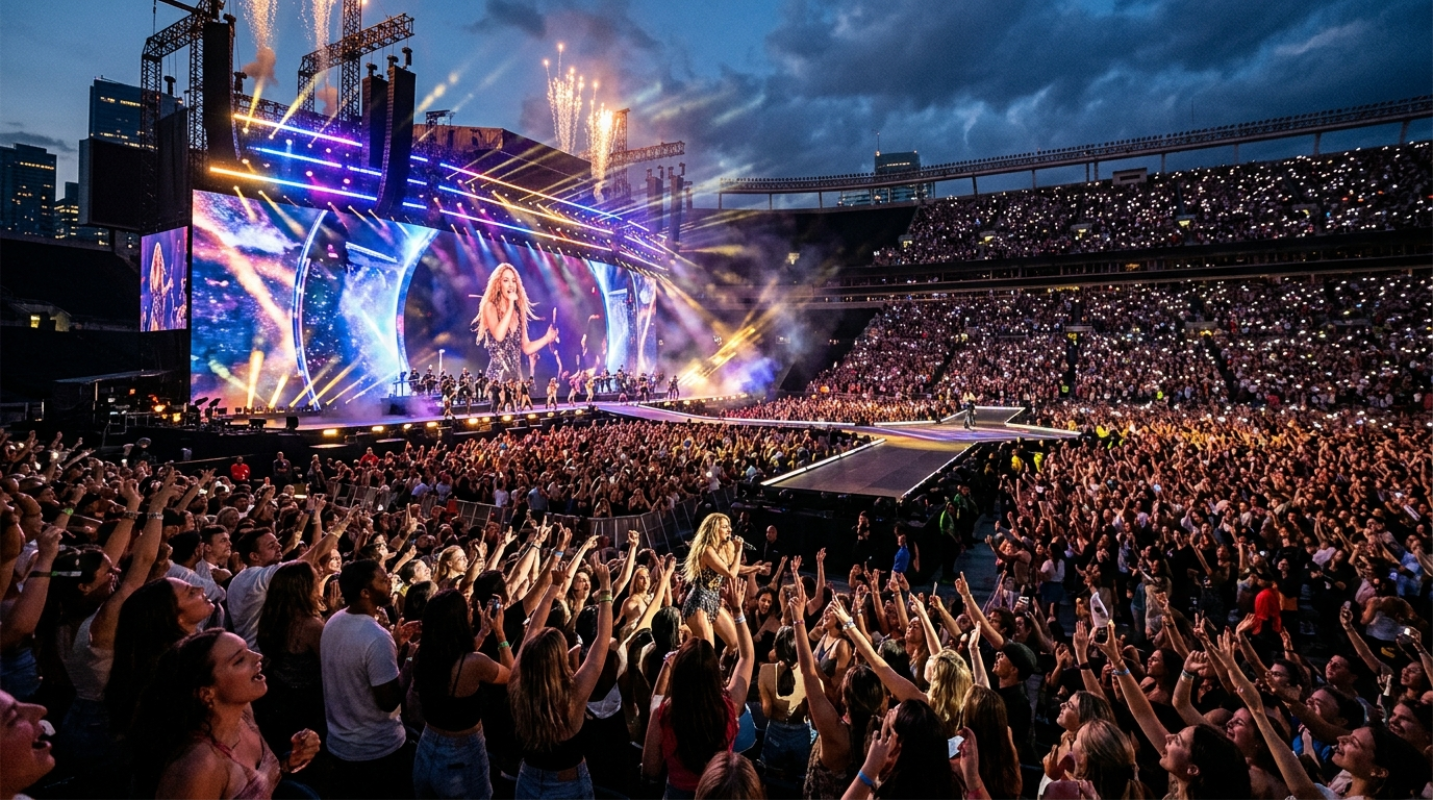
 We're currently living through a period that historians will likely call the second "Golden Age" of live music. It’s a time when the scale of a concert has moved far beyond a simple stage and a PA system. Today, a world tour is a global cultural event, a tech show, and a multi-billion-dollar economic engine all rolled into one. So what does this actually mean for you as a fan? It means the bar for what constitutes a "great show" has been moved into the stratosphere. We aren't just seeing musicians play their hits anymore. We're witnessing "event-level" spectacles that redefine how we connect with art and each other.
The New Era of the Mega-Tour
The financial scale of modern touring has reached a point that was unimaginable just a decade ago. We used to think a tour was a massive success if it cleared a few hundred million dollars. Now, we've entered the billion-dollar era. Taylor Swift basically rewrote the rulebook with her Eras Tour, which officially became the highest-grossing tour of all time by the time it wrapped up in December 2024, pulling in over $2.08 billion.
But it isn't just about one artist. Coldplay has been right there alongside her, with their Music of the Spheres World Tour reporting a staggering $1.52 billion as of late 2025.¹ This isn't just a "post-pandemic bounce" anymore. It's a fundamental shift in how we value live experiences. Venue directors have noted that fans now view live music as a "needed service" rather than a luxury you might skip when money is tight.⁷ You might hold off on a new car or a fancy dinner, but you won't miss the chance to see your favorite artist in a stadium.
This demand has pushed attendance records to their breaking point. Coldplay currently holds the crown for the most attended tour in history, with over 13.1 million tickets sold. To put that in perspective, that’s more people than the entire population of many countries. Even individual shows are getting bigger. In September 2025, Zach Bryan set a new high-water mark for U.S. ticketed attendance when he drew 112,408 fans to Michigan Stadium. It’s the digital equivalent of a viral moment, but happening in the physical world with a hundred thousand screaming voices.
Technological Marvels Beyond Just the Music
If you've been to a stadium show lately, you probably noticed that the sound didn't feel like it was coming from two giant towers of speakers at the front. That’s because of a revolution in spatial audio. Systems like L-Acoustics L-ISA are replacing traditional stereo sound. This tech allows the audio to "follow" the artist on stage, making sure that even if you're in the very last row of a 90,000-seat stadium, you get "front-row" clarity.
The visuals have also taken a massive leap forward. We're seeing AI-driven stage designs that react in real-time to the tempo of the music or even the energy of the crowd. It creates a "must-see" factor that fuels a massive sense of FOMO (fear of missing out) on social media. You don't just want to hear the song; you want to see the 16K wraparound LED screens and the haptic seats that vibrate with the bass.
The Las Vegas Sphere has been a major catalyst for this change. After seeing what U2 and the Eagles did with that massive immersive screen, every other major artist has had to upgrade their production value. Venues are now being forced to adapt to these "immersive" standards because fans expect a hyper-real sensory environment. It’s like moving from a standard-definition TV to a high-end IMAX theater.
The Fan Experience From Passive Listener to Active Participant
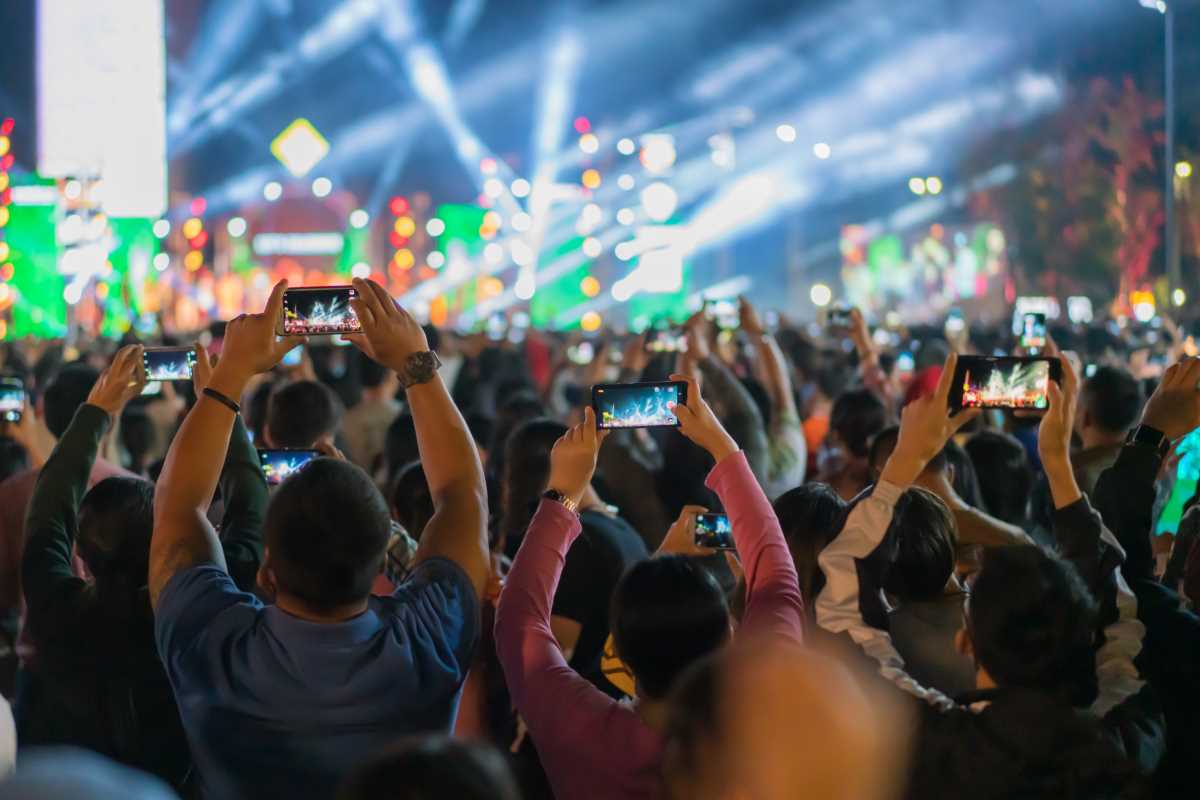
The days of just sitting in your seat and clapping are over. Modern tours have turned the audience into a core part of the production. Think about the fan rituals that have dominated the last two years. You have the friendship bracelet trading at Taylor Swift shows or the coordinated fan chants that spread like wildfire on TikTok before a tour even hits your city.
Artists are leaning into this by using interactive apps and wearables. Those LED wristbands you see at Coldplay or Taylor Swift shows aren't just pretty lights. They turn the entire stadium into a living, breathing canvas of light that the production team can control. You aren't just watching the show; you are the show.
Social media plays a massive role here, too. A tour is no longer just a series of dates on a calendar. It's a global conversation. When an artist changes a single song in their setlist, the whole world knows about it within minutes. Coachella 2024 even experimented with "digital twins" of the festival grounds, using augmented reality to beam giant CGI characters over the stage for people watching the livestream at home.⁶ This blend of physical and digital makes the experience feel much larger than just the three hours the artist is on stage.
Logistics and Sustainability in the Age of Giants
Moving these massive productions across continents is a logistical nightmare that most fans never see. We're talking about dozens of trucks, hundreds of crew members, and enough electricity to power a small town. But there is a growing focus on making these giant tours more eco-friendly.
Coldplay has been the leader in this space. In their 2024 sustainability report, they revealed they had achieved a 59% reduction in CO2 emissions compared to their previous tour. They did this through some pretty wild innovations
- Kinetic Dance Floors: The fans literally generate electricity for the stage batteries by jumping and dancing.
- Power Bikes: Fans can pedal bikes in the concourse to help charge the show’s power cells.
- Compostable LED Wristbands: They achieved an 86% return rate for these, keeping them out of landfills.
Other artists like Billie Eilish have also pushed for "Eco-Villages" at their shows, eliminating single-use plastics and using sustainable aviation fuel for their transport. It's a sign that the industry is starting to take its carbon footprint seriously, even as the shows get bigger and more complex.